A small kitchen can be challenging to keep organized, especially when you have limited counter space, crowded cabinets, and more kitchen items than you know where to put. But having a small kitchen doesn’t mean you have to live with constant clutter.
With a few simple changes, you can make better use of the space you already have. The key is to organize your kitchen based on how you actually use it, rather than trying to fit everything into one cabinet or drawer.
Whether you live in a small apartment, have a compact kitchen, or simply want to make your existing space feel less crowded, these small kitchen organization ideas can help you create a kitchen that feels cleaner, more functional, and easier to use.
1. Declutter Before You Organize
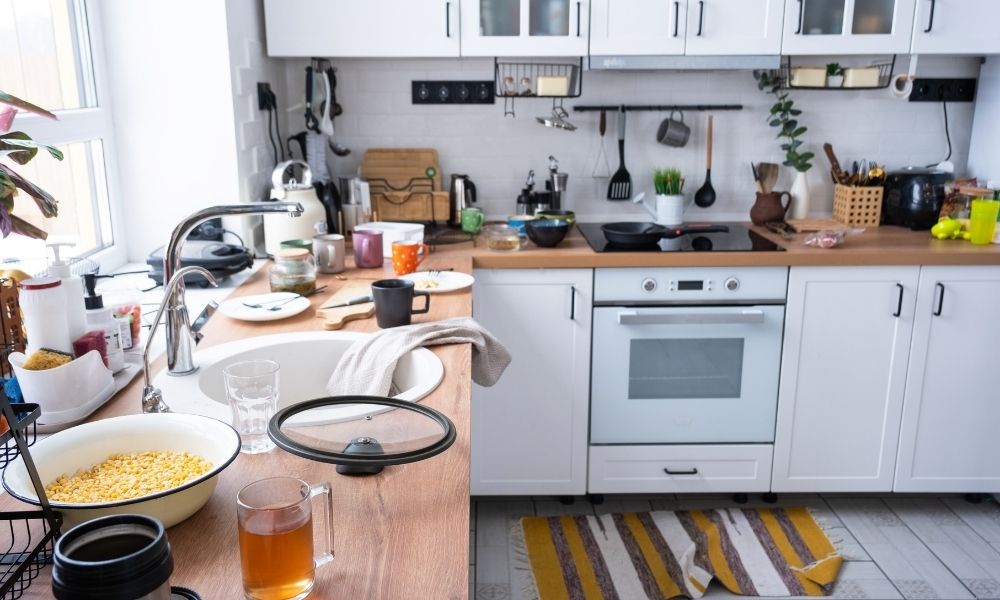
Before buying storage containers or rearranging your cabinets, start by removing things you don’t actually use. Small kitchens don’t have much room for unnecessary items, so every cabinet and drawer should work for you.
Take everything out of one cabinet or drawer at a time and sort the items into three groups:
- Keep
- Donate
- Throw away
Get rid of expired food, duplicate utensils, broken appliances, and items you haven’t used in a long time.
You don’t need to throw away everything you rarely use, but if something takes up valuable space and has no real purpose, it may be time to let it go.
Quick tip: Don’t try to organize your entire kitchen in one day. Start with one drawer or cabinet and work your way around the room.
2. Make Use of Vertical Space
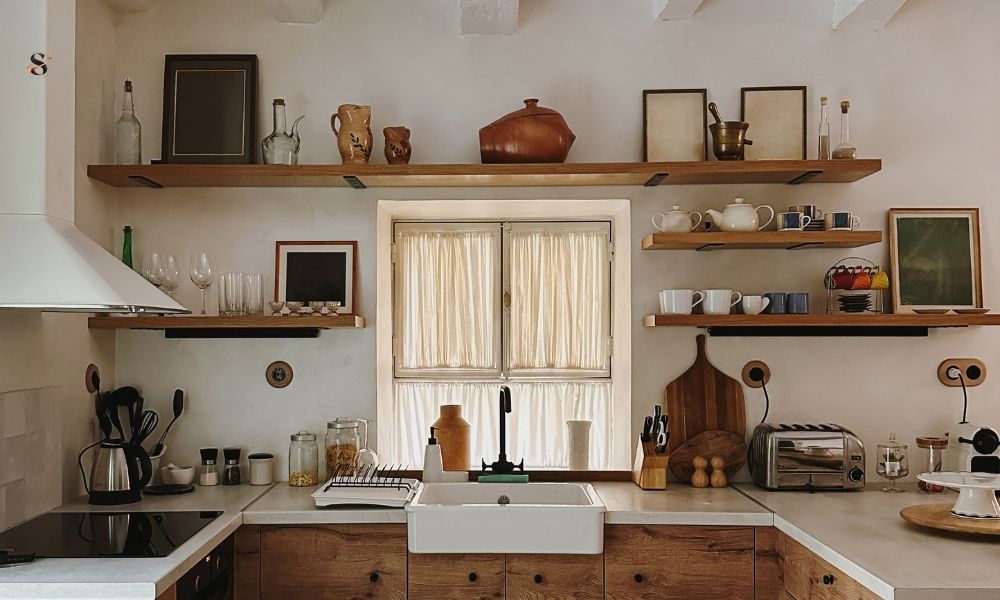
When counter and cabinet space are limited, look upward. Using vertical space is one of the easiest ways to organize a small kitchen without making it feel more crowded.
Consider using:
- Wall-mounted shelves
- Hanging hooks
- Magnetic strips
- Over-the-door organizers
- Tiered shelves inside cabinets
- Hanging baskets
For example, a wall-mounted shelf can hold spices, mugs, or frequently used ingredients while freeing up valuable cabinet space.
You can also use hooks underneath cabinets to hang mugs or cooking utensils.
3. Use Drawer Organizers
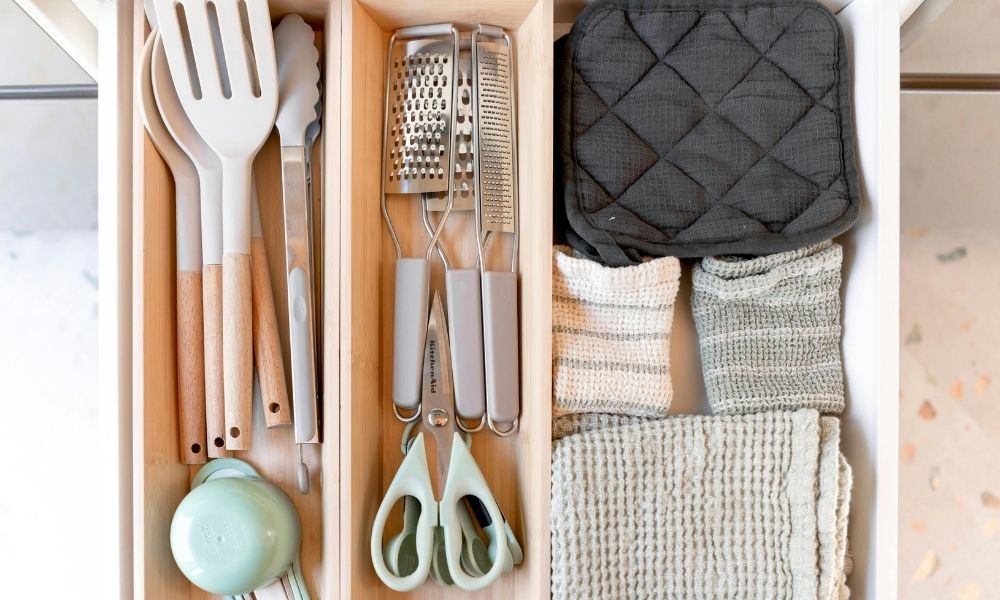
Kitchen drawers can quickly turn into a messy collection of utensils. Instead of putting everything into one drawer, use simple dividers or organizers to create separate sections.
You can have one section for:
- Spoons
- Forks
- Knives
- Measuring spoons
- Cooking utensils
- Small kitchen tools
Drawer organizers don’t have to be expensive. Even inexpensive dividers can make a noticeable difference.
The goal is to give every item a designated place so you don’t have to search through a messy drawer every time you cook.
4. Store Similar Items Together
One of the simplest kitchen organization tips is to keep similar items together. For example, store all your baking supplies in one area, cooking utensils in another, and everyday dishes somewhere that’s easy to reach.
You could organize your kitchen into zones such as:
Cooking zone: pots, pans, spatulas, and cooking utensils.
Baking zone: flour, sugar, measuring cups, baking trays, and mixing tools.
Coffee or tea zone: mugs, tea bags, coffee, sugar, and other essentials.
Food storage zone: containers, wraps, foil, and storage bags.
Creating zones makes your kitchen easier to navigate and helps prevent items from ending up in random places.
5. Use the Inside of Cabinet Doors
The inside of your cabinet doors is often completely unused space. Add small adhesive hooks, racks, or organizers to store lightweight items such as:
- Measuring spoons
- Pot lids
- Cleaning supplies
- Kitchen towels
- Spices
- Food storage bags
This is particularly useful in a tiny kitchen where every bit of storage space matters.
Just make sure the items you add aren’t too heavy for the cabinet door or interfere with the shelves inside.
6. Use Clear Containers for Pantry Items
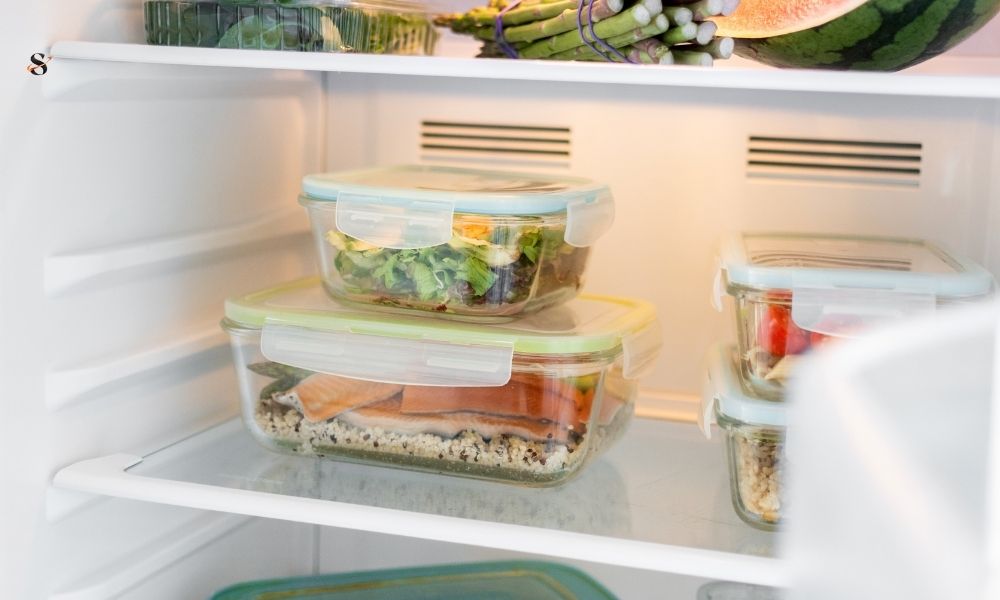
If you have a small pantry or limited cabinet space, clear storage containers can make a big difference. Transfer frequently used dry ingredients such as rice, pasta, cereal, flour, sugar, and snacks into stackable containers.
Clear containers allow you to see what you have without opening every package. They can also make your shelves look cleaner and more organized.
Labeling the containers can make things even easier, especially if several ingredients look similar.
You don’t need to replace every container in your kitchen at once. Start with the foods you use most often and gradually build your system.
7. Keep Your Most-Used Items Within Easy Reach
Not everything in your kitchen needs to be equally accessible. Keep the things you use every day where you can reach them easily. This could include your favorite cooking pan, plates, mugs, coffee supplies, or frequently used spices.
Items you use less often can go on higher shelves or toward the back of cabinets.
This simple change can make a small kitchen feel much more functional because you’re not constantly moving things around to reach what you need.
8. Use the Space Above Your Refrigerator
The area above your refrigerator can become valuable storage space in a small kitchen. If you have room, consider using a basket or storage box for things you don’t need every day, such as:
- Extra kitchen towels
- Serving dishes
- Special-occasion items
- Cookbooks
- Extra pantry supplies
Just avoid storing anything that could be affected by heat, and make sure the storage solution is secure.
9. Keep Your Countertops as Clear as Possible
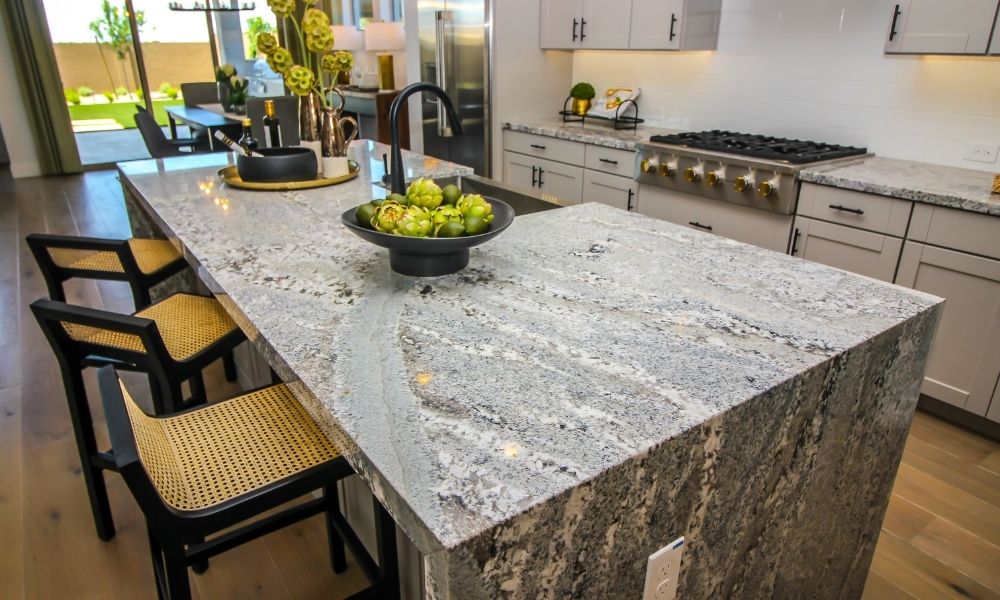
A cluttered countertop can make a small kitchen look even smaller. Try to keep only the appliances and items you use regularly on the counter. For example, if you use your coffee maker every morning, it might make sense to leave it out. But if you only use a blender once a month, consider storing it inside a cabinet.
You can also use a small tray to group frequently used items together. This keeps them organized while making the countertop look less cluttered.
Remember: In a small kitchen, clear counter space can make the entire room feel bigger.
10. Give Everything a Home
The most important rule of small kitchen organization is simple: everything should have a place. When you’re finished using something, return it to its designated spot.
If you regularly find yourself wondering where to put something, that’s a sign that your current organization system may need to change. Your kitchen doesn’t have to look perfect all the time. The goal is to create a system that’s easy enough to maintain. A good organization system should make your life easier—not give you another chore to worry about.
Final Thoughts
Organizing a small kitchen doesn’t require an expensive renovation or a huge collection of storage products. Sometimes, the biggest difference comes from simply getting rid of things you don’t use, making better use of vertical space, and giving your everyday items a logical home.
Start small. Organize one drawer, one cabinet, or one countertop at a time. Once you see how much easier it is to cook and move around your kitchen, you can continue improving the rest of the space.
With a little creativity and consistency, even a small kitchen can be functional, organized, and comfortable.
Save this post for your next kitchen organization project! 🏡📌