Running a fashion brand today involves much more than finding beautiful clothes and selling them. You also need to photograph products, create promotional graphics, produce engaging videos, write captions, and keep your social media pages active.
For small fashion businesses and independent creators, keeping up with all these demands can be challenging. Hiring photographers, graphic designers, and content creators for every campaign isn’t always affordable, especially when you’re still growing your business.
Fortunately, AI tools are making fashion content creation more accessible. You can now use AI to generate product photographs, create lifestyle backgrounds, design social media posts, edit promotional videos, and develop campaign ideas without having an entire creative team.
Whether you sell clothing, shoes, bags, jewellery, or fashion accessories, the right tools can help you create more consistent content and spend less time on repetitive creative tasks.
Here are five AI tools worth exploring in 2026.
1. Canva
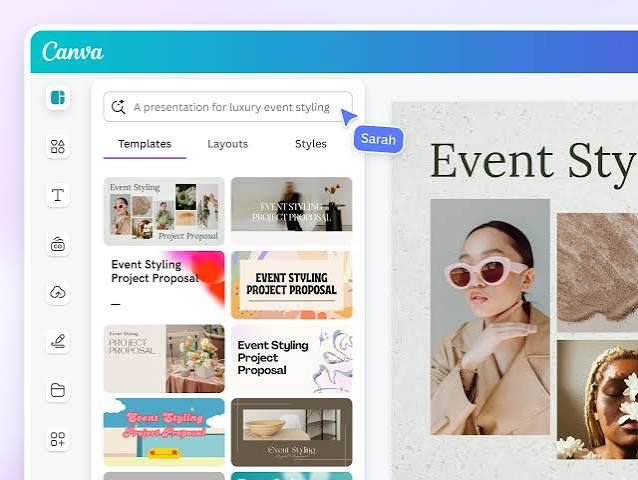
Best for: Designing fashion promotions and social media content.
If you’ve ever struggled to create an attractive Instagram post or promotional flyer, Canva is probably one of the easiest tools to start with.
Canva combines graphic design, templates, and AI-powered features in one platform. Instead of designing every social media post from scratch, you can use its templates and AI tools to create content that matches your brand.
For fashion businesses, this can be particularly useful when announcing new collections, promoting discounts, creating seasonal campaigns, or designing product catalogues.
Its AI-powered Magic Studio includes features that help users generate images, edit existing designs, and adapt content for different formats.
For example, you could create an Instagram post announcing a new clothing collection, then adapt the design for Pinterest, Facebook, and Instagram Stories without rebuilding everything.
Canva also allows you to maintain consistent brand colours, fonts, and logos across your designs.
Why we like it: Canva makes it easier for fashion entrepreneurs to create professional-looking promotional materials without needing advanced graphic design skills.
Website: https://www.canva.com/
2. Photoroom

Best for: Creating clean product photographs and removing backgrounds.
Product photography can make a significant difference in how customers perceive a fashion brand.
However, not every business has access to a professional photography studio. Sometimes, all you have is a smartphone photograph of a dress, handbag, pair of shoes, or accessory.
Photoroom helps turn ordinary product photographs into cleaner, more polished images.
Its AI-powered features include background removal, image editing, background generation, and tools for creating product visuals. You can remove distracting backgrounds, replace them with more attractive settings, and prepare images for online stores and social media.
Imagine taking a photograph of a handbag against a plain wall. With Photoroom, you can remove the original background and place the product in a more suitable visual setting.
The platform is also useful for businesses managing several products because it offers batch editing features that can reduce repetitive work.
Photoroom offers free access with additional capabilities available through paid plans.
Why we like it: It is particularly practical for small fashion businesses that need attractive product images without organising a full photoshoot every time they introduce something new.
Website: https://www.photoroom.com/
3. Flair AI
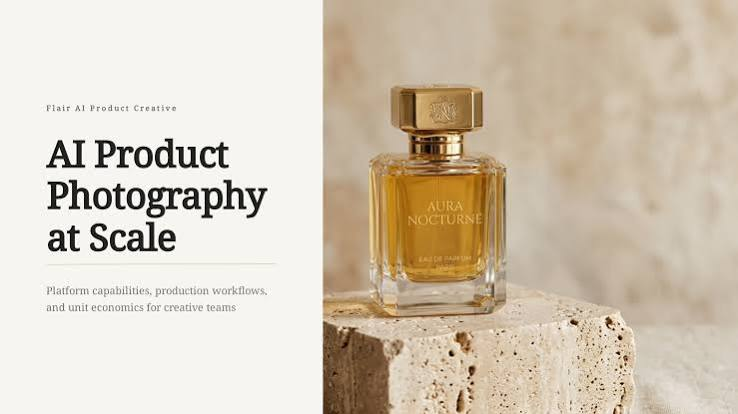
Best for: Creating styled fashion and product campaign images.
Sometimes, a product photograph is not enough to communicate the feeling behind a fashion brand.
You might want your handbag displayed in a luxury-inspired setting, your clothing collection presented in an editorial-style photoshoot, or your accessories photographed in a carefully designed environment.
Flair AI helps businesses create these kinds of product visuals.
The platform allows users to upload product images and build styled scenes around them. You can experiment with backgrounds, props, lighting, and different visual arrangements to develop campaign concepts.
For example, a fashion entrepreneur launching a summer collection could use Flair AI to explore bright outdoor-inspired product scenes without organising a physical location shoot.
It also offers a collaborative canvas that makes it easier to experiment with different creative directions.
One thing worth remembering is that generated images should be checked carefully. AI can sometimes change small product details, including colours, textures, and logos.
Why we like it: Flair AI is useful when you want your products to appear in more creative settings rather than relying on ordinary catalogue photographs.
Website: https://flair.ai/
4. CapCut
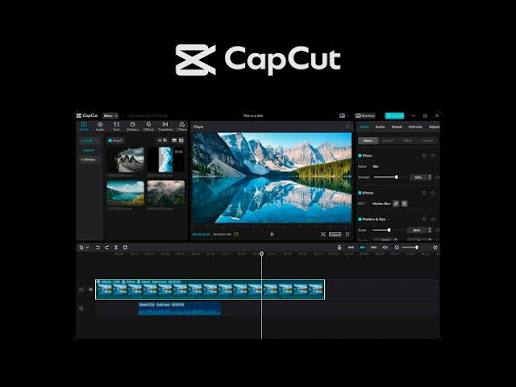
Best for: Creating fashion videos for TikTok, Instagram Reels, and YouTube Shorts.
Fashion is a highly visual industry, and short-form videos have become an important way for brands to showcase products and connect with potential customers.
A simple video showing how an outfit looks, how a bag is styled, or how a new collection comes together can be more engaging than a static promotional image.
CapCut makes video editing more accessible, particularly for creators who don’t have professional editing experience.
The platform offers AI-assisted editing features, automatic captions, background removal, templates, effects, and tools for improving short-form videos.
You can use it to turn existing product footage into promotional videos, create outfit transitions, add captions to styling tutorials, or produce quick videos announcing a new collection.
For instance, a fashion creator could record three different ways to style a particular outfit, edit the clips together in CapCut, add text overlays, and publish the finished video as an Instagram Reel.
CapCut offers free editing features, although some advanced tools and assets require a paid subscription. Availability can also vary by region and device.
Why we like it: It helps fashion businesses produce more engaging video content without needing to learn complicated professional editing software.
Website: https://www.capcut.com/
5. Adobe Firefly
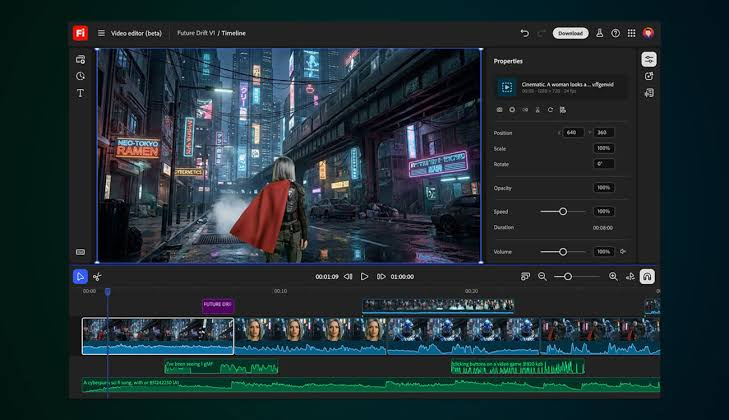
Best for: Generating creative campaign visuals and editing fashion images.
For fashion brands that want more creative control over their visual campaigns, Adobe Firefly is another tool worth considering.
Firefly is Adobe’s generative AI platform, offering tools for creating images, generating video, editing existing visuals, and exploring different creative concepts.
One of its useful capabilities is Generative Fill, which allows you to select parts of an image and add, remove, or modify visual elements using text instructions.
You can also use text-to-image generation to explore campaign concepts before committing to an actual photoshoot.
For example, if you’re developing a campaign for a new clothing collection, you could experiment with different backgrounds, lighting styles, and visual themes before deciding on the final creative direction.
Firefly also integrates with other Adobe applications, making it useful for people who already work with tools such as Photoshop and Adobe Express.
Adobe provides information about the content used to train its Firefly models and its commercial-use approach. However, businesses should still review the specific terms of each feature and asset before using generated content in paid campaigns.
Why we like it: It offers greater creative flexibility for brands that want to experiment with campaign visuals and make more detailed image edits.
Website: https://www.adobe.com/products/firefly.html
How to Choose the Right AI Tool for Your Fashion Brand
With several AI tools available, you don’t necessarily need to subscribe to all of them. The best approach is to identify the kind of content you struggle to create and choose a tool that addresses that particular need.
Here are a few things to consider:
1. Identify your biggest content challenge.
If product photography is your main problem, Photoroom may be a better starting point than a general design platform. If you need promotional graphics, Canva offers a more suitable workflow.
2. Think about your content format.
Fashion brands need different types of content. You might need product photographs for your online store, short videos for Instagram, and promotional graphics for Pinterest. Choose tools that support the formats you use most often.
3. Maintain a consistent brand identity.
AI can generate attractive images, but your content should still look like it belongs to the same business. Keep your colours, fonts, photography style, and messaging consistent across campaigns.
4. Check commercial usage rights.
Before using AI-generated images in advertisements or product listings, review the platform’s licensing terms. Also, make sure your visuals accurately represent the products you’re selling.
Can AI Replace a Fashion Content Creator?
Not completely.
AI can make certain parts of content creation faster, but it doesn’t automatically understand your brand, customers, or creative direction.
For example, an AI-generated image might look beautiful but show a garment with slightly different colours, stitching, or proportions from the actual product.
That difference matters, particularly when customers are making purchasing decisions based on what they see online.
Fashion businesses should use AI to support their creative process rather than rely on it entirely. Real product photographs, authentic customer experiences, and original styling ideas still have an important place in fashion marketing.
Final Thoughts
Creating fashion content doesn’t have to involve an expensive photoshoot or a large marketing team every time you want to promote something new.
With tools like Canva, Photoroom, Flair AI, CapCut, and Adobe Firefly, fashion entrepreneurs and creators can explore different ways to produce promotional graphics, product images, campaign visuals, and short-form videos.
If you’re just starting out, Canva and CapCut offer a practical combination for everyday social media content. Photoroom is worth exploring for product photography, while Flair AI and Adobe Firefly provide more creative options for developing campaign visuals.
Ultimately, the goal isn’t to use AI for everything. It’s to find the tools that make your creative process easier while keeping your brand’s personality and products at the centre of your content.
A good fashion campaign still needs a clear idea. AI simply gives you more ways to bring that idea to life.