
Planning a trip should be exciting, but the actual preparation can quickly become exhausting. Between searching for flights, comparing hotels, finding interesting places to visit, and trying to fit everything into a realistic schedule, it’s easy to spend more time planning a holiday than enjoying the thought of taking one.
And sometimes, even after all that research, you still end up wondering whether you’ve missed something interesting.
AI travel planning tools are making this process easier. Instead of opening several websites and manually putting everything together, you can use AI to discover destinations, create personalised itineraries, organise activities, and explore travel options based on your budget and interests.
Whether you’re planning a solo holiday, a romantic getaway, a family vacation, or a weekend trip with friends, these tools can help you get organised.
Here are five AI travel planning tools worth exploring in 2026.
1. Google Gemini

Best for: Creating personalised travel itineraries and researching destinations.
If you already use Google for everyday searches, Google Gemini can be a convenient starting point for planning your next trip.
You can describe the kind of holiday you’re interested in, provide your destination, travel dates, budget, and preferences, and ask Gemini to suggest an itinerary.
For example, you could ask it to create a five-day itinerary for Paris with affordable restaurants, interesting museums, outdoor activities, and enough free time to explore without rushing.
Gemini can also help compare destinations, suggest things to do, explain local customs, and organise travel research. Its connections with Google’s travel and mapping services can make it particularly useful for exploring locations and researching travel options, although available integrations and features vary by location and account.
Another advantage is flexibility. You can keep adjusting your requests until the itinerary feels right rather than starting over every time you change your mind.
Why we like it: It’s useful for travellers who want a flexible planning assistant that can handle everything from destination research to personalised activity suggestions.
Website: https://gemini.google.com/
2. Wanderlog

Best for: Organising detailed itineraries and planning group trips.
Wanderlog is particularly useful when you have already decided where you’re going and need a practical way to organise the details.
The platform combines trip planning, maps, budgeting, and itinerary management in one place. You can add destinations, restaurants, hotels, and activities to your travel schedule and see how they fit together geographically.
Its AI-powered features can help fill out your itinerary with suggestions, while its map-based interface makes it easier to organise stops and avoid planning activities that are unnecessarily far apart.
One feature worth mentioning is collaborative planning. If you’re travelling with friends or family, you can share your itinerary and work on the trip together rather than having one person manage every detail.
Wanderlog also allows users to organise reservations and travel information, making it easier to keep important details in one place.
There is a free version, while Wanderlog Pro offers additional features.
Why we like it: It goes beyond generating travel ideas. It helps turn those ideas into an organised itinerary you can actually follow.
Website: https://wanderlog.com/
3. Mindtrip

Best for: Discovering destinations and building personalised travel experiences.
Sometimes, the hardest part of planning a holiday is deciding what you actually want to do.
You might know you want to visit Greece, for example, but you’re not sure whether to spend your time exploring historical attractions, visiting beaches, discovering local restaurants, or enjoying quieter neighbourhoods.
Mindtrip helps simplify that decision-making process.
The platform uses conversational AI to help travellers explore destinations and build personalised itineraries. You can describe your interests, travel preferences, and the kind of experience you’re looking for, and it can suggest destinations, activities, restaurants, and places to stay.
It also brings visual discovery into the planning process, allowing you to explore recommendations and organise ideas into a trip.
Mindtrip is particularly interesting for people who prefer a more personalised approach instead of working with generic travel itineraries.
Why we like it: Its combination of conversational planning, destination discovery, and trip organisation makes it useful when you need inspiration as well as structure.
Website: https://mindtrip.ai/
4. Layla

Best for: Planning trips with AI assistance and exploring booking options.
Layla is designed for travellers who want help moving from an initial travel idea to a more complete holiday plan.
You can tell Layla where you want to go, when you want to travel, and what kind of experience you’re interested in. The platform can then help you explore destinations, accommodation, flights, and activities.
For instance, if you’re considering a holiday in Italy but haven’t settled on a city, you can use the platform to explore different options based on your interests and budget.
One of its useful features is the ability to combine itinerary suggestions with travel options and booking assistance. Depending on the available service and destination, users can explore flights, hotels, and activities as part of the planning process.
Layla also offers access to human travel advisers, which can be helpful when a trip requires more detailed planning.
Why we like it: It’s worth considering if you want more than travel inspiration and would prefer assistance exploring actual travel and accommodation options.
Website: https://layla.ai/
5. Tripadvisor
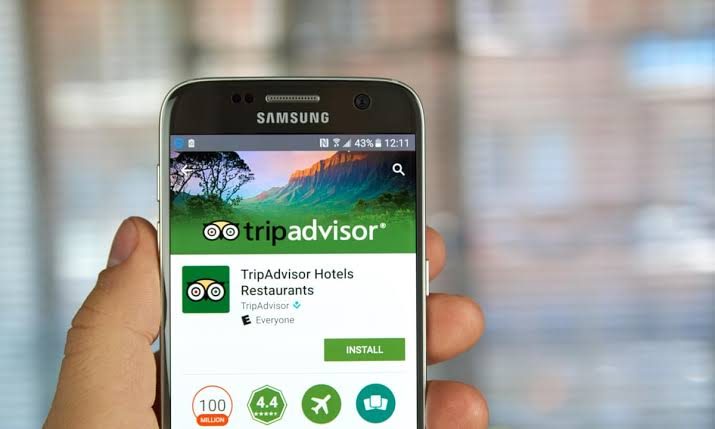
Best for: Finding attractions, restaurants, hotels, and activities using traveller insights.
Tripadvisor has long been a popular platform for researching holidays, but its AI-powered travel features make it useful for more personalised trip planning.
One of its biggest advantages is its extensive collection of traveller reviews and recommendations.
When planning a trip, you can explore hotels, restaurants, attractions, and activities, then use its AI-assisted features to discover recommendations and organise places into a travel itinerary.
This is particularly useful when visiting somewhere unfamiliar. Rather than relying entirely on generic suggestions, you can explore experiences that other travellers have reviewed and learn more about what to expect.
You can also save interesting places and organise them into trips, making it easier to keep your research together.
Tripadvisor is not exclusively an AI travel planner, but its combination of travel information, reviews, and AI-assisted recommendations makes it a useful addition to your planning process.
Why we like it: It helps you make more informed travel decisions by combining personalised discovery with real traveller experiences.
Website: https://www.tripadvisor.com/
How to Choose the Right AI Travel Planning Tool
Not every traveller needs the same features. Someone planning a short weekend getaway may only need a simple itinerary generator, while someone organising a two-week international holiday might need a platform that handles accommodation research, activities, budgets, and multiple destinations.
Here are a few things to consider before choosing a tool.
1. Consider the type of trip you’re planning.
For general destination research and itinerary ideas, Gemini is a good starting point. If you need to organise several activities across different locations, Wanderlog offers more dedicated planning features.
2. Check whether it supports your destination.
Some travel platforms have different features depending on the country you’re visiting. Before relying on a tool, check whether its recommendations, booking options, and integrations work in your destination.
3. Look beyond the itinerary.
A suggested itinerary is helpful, but you may also need maps, accommodation options, budget tracking, and reservation management. Think about the entire planning process rather than just the initial recommendations.
4. Compare free and paid features.
Many platforms offer free access with optional paid features. Start with what is available at no cost and upgrade only if you need additional functionality.
Can AI Plan an Entire Trip for You?
AI can handle a surprising amount of travel planning, but it shouldn’t be responsible for every final decision.
It can suggest destinations, create daily schedules, recommend attractions, and help compare accommodation options. However, generated recommendations are not always accurate.
Opening hours can change, travel costs may be outdated, and an attraction might be unavailable during your visit. An itinerary that looks perfect on screen may also be too crowded to enjoy in real life.
Before making payments or finalising your plans, confirm important details directly with airlines, hotels, transport providers, and official destination websites.
Think of AI as a planning assistant, not a substitute for checking the details yourself.
Final Thoughts
Planning a holiday doesn’t have to involve endless browser tabs, scattered notes, and complicated spreadsheets.
With the right AI travel planning tools, you can discover destinations, organise activities, compare options, and build an itinerary that reflects the kind of experience you actually want.
If you’re looking for a flexible research assistant, Google Gemini is a good starting point. Wanderlog is useful for organising detailed itineraries, Mindtrip offers personalised destination discovery, Layla brings planning closer to booking, and Tripadvisor helps you explore places through traveller reviews.
The best choice ultimately depends on how you like to travel and how much help you need with the planning process.
AI may not make every travel decision for you, but it can certainly make getting ready for your next adventure a lot easier.